Introduction to MEP Engineers
MEP engineering plays a vital role in modern construction projects. While architectural and structural works give a building its shape and strength, MEP systems give it life. These systems ensure that a building is comfortable, safe, and functional for daily use. Without proper MEP planning, even a well-designed structure can fail to perform. Mechanical, electrical, and plumbing systems are deeply interconnected. A small mistake in one system can affect the performance of others. This is why it requires careful coordination and technical expertise. It is not just about installing equipment but about designing systems that work together smoothly. In today’s construction industry, buildings are becoming more complex. High-rise towers, hospitals, malls, and smart buildings all rely heavily on advanced MEP systems. Engineers must consider efficiency, safety, sustainability, and future maintenance while planning these systems. MEP engineering is no longer limited to basic services. It now includes energy management, automation, fire safety, and smart controls. This makes MEP engineers a key part of construction project planning from start to finish.
Understanding Construction Project Planning
Construction project planning is the backbone of a successful project. It defines how a project will be executed, monitored, and completed within time and budget. Proper planning reduces risks and avoids unnecessary delays during construction.

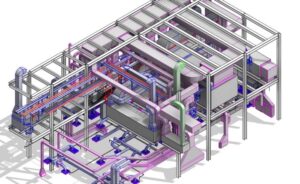
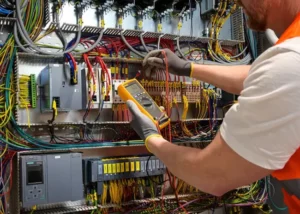
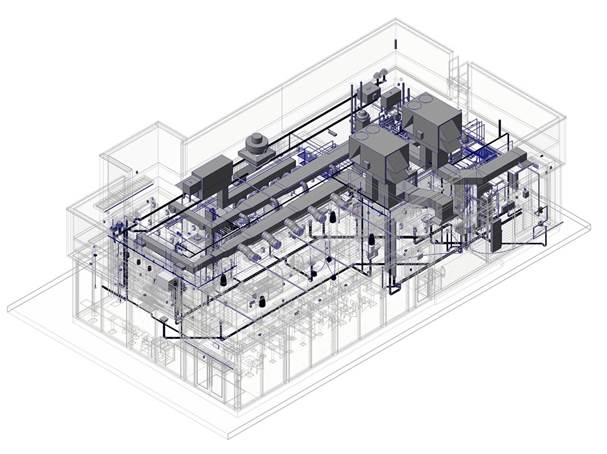
Figure1.2: Impact of MEP design in Construction
Project planning involves setting objectives, defining scopes, preparing schedules, and estimating costs. It brings all stakeholders onto the same page before work begins. Without strong planning, projects often face cost overruns and coordination issues. MEP planning is a critical part of overall project planning. Since MEP works interact with civil and architectural activities, they must be carefully sequenced. Poor planning can lead to clashes, rework, and increased expenses. Effective construction planning ensures smooth workflow on site. It helps in resource allocation, Labor management, and procurement. So, it contribute by aligning system requirements with the overall construction strategy.
Who Are MEP Engineers?
MEP engineers are specialized professionals responsible for designing and managing building services. Their work ensures that buildings operate efficiently throughout their lifecycle. They focus on performance, safety, and user comfort. These engineers work closely with architects, structural engineers, and contractors. Their role is to translate design concepts into practical systems that can be installed and maintained easily. Coordination is a major part of their responsibility. MEP engineers also play a key role in problem-solving. During both design and construction stages, they identify potential issues and propose technical solutions. Their decisions directly impact cost, quality, and schedule. In large projects, MEP engineers often lead dedicated teams. They supervise installations, review shop drawings, and ensure compliance with specifications. Their involvement continues until final testing and handover projects.
Early Involvement of MEP Engineers in Project Planning
Early involvement of MEP engineers is crucial for project success. When they join the project during initial planning, potential design conflicts can be identified early. This saves time and reduces costly revisions later. essential for architects to plan ceiling heights and service shafts properly. Early input avoids future space constraints. MEP engineers also assist in selecting suitable systems based on project type and budget. Whether it is HVAC capacity or electrical load planning, early decisions affect long-term operational efficiency By being involved from the beginning, MEP engineers ensure that systems are integrated smoothly. This leads to better coordination, improved constructability, and a more efficient project execution.
Role of MEP Engineers in Design Development
Design development is where ideas turn into technical solutions. MEP engineers refine concepts into workable designs that meet functional and regulatory requirements. Their role becomes more detailed and technical at this stage. They prepare system layouts, calculations, and specifications. These designs must align with architectural aesthetics and structural constraints. Accuracy at this stage is essential to avoid errors during construction. MEP engineers also review materials and equipment selections. They ensure that selected components meet performance standards and project budgets. Proper selection improves system reliability and maintenance. During design development, coordination with other disciplines is continuous. Regular reviews and updates ensure all systems fit together without conflicts, ensuring a smooth transition to construction.
MEP Coordination and Clash Detection
MEP coordination is one of the most challenging aspects of construction planning. Multiple services share limited space, especially in ceilings and shafts. Without coordination, clashes are unavoidable. Clash detection helps identify conflicts between MEP systems and structural or architectural elements. Detecting these issues early prevents costly on-site changes and delays. Coordination meetings allow all disciplines to discuss and resolve conflicts collaboratively. MEP engineers play a leading role in these discussions due to the complexity of services. Effective coordination improves construction efficiency. It reduces rework, material wastage, and Labor downtime, resulting in better project performance.
Cost Estimation and Budget Control
MEP systems account for a significant portion of construction costs. Accurate cost estimation is essential to maintain budget control. MEP engineers prepare detailed cost breakdowns for systems and equipment. They analyse material quantities, Labor requirements, and installation methods. This information helps project managers make informed financial decisions. Value engineering is another important responsibility. MEP engineers suggest alternative systems or materials that reduce costs without compromising quality or performance. Through proper cost planning, MEP engineers help clients achieve optimal performance within budget limits. This improves project feasibility and financial success.
Scheduling and Time Management
Construction schedules are tightly linked to MEP activities. Many finishing works depend on the completion of MEP installations. Poor scheduling can disrupt the entire project timeline. MEP engineers integrate their activities into the master construction schedule. They coordinate with civil and finishing teams to ensure logical sequencing of works. Proper planning helps avoid congestion on site. It ensures that different trades work efficiently without interfering with each other. Effective time management by MEP engineers reduces delays. It ensures timely completion of milestones and supports overall project delivery.
Compliance with Codes and Standards
Compliance with building codes is mandatory in construction projects. MEP engineers ensure that all systems meet local and international regulations. This includes safety, fire protection, and energy standards. They stay updated with changing regulations and apply them correctly in designs. Non-compliance can result in project rejection or legal issues. MEP engineers also ensure quality control during installation. Inspections and tests verify that systems meet required standards. Proper compliance protects occupants and reduces operational risks. It also ensures smooth approvals from authorities.
Role of MEP Engineers in Sustainability
Sustainability has become a key focus in construction. MEP engineers play a major role in reducing energy and water consumption. Their designs directly affect building efficiency. They select energy-efficient HVAC systems and lighting solutions. These choices reduce operational costs and environmental impact. Water-saving fixtures and efficient drainage systems are also part of sustainable design. MEP engineers promote responsible resource usage. Sustainable MEP planning improves building value. It supports green certifications and long-term operational savings.
MEP Engineers During Construction Phase
During construction, MEP engineers ensure that designs are implemented correctly. They supervise installations and review workmanship quality. They also resolve site-related issues that arise due to design or coordination challenges. Quick decisions help maintain progress. MEP engineers coordinate with contractors and suppliers regularly. Clear communication ensures timely delivery and correct installation. Their presence on site ensures quality assurance. It minimizes errors and ensures systems function as intended.
Testing, Commissioning, and Handover
Testing and commissioning confirm that systems work properly. MEP engineers plan and supervise these activities carefully. Each system is tested under operating conditions. This ensures safety, efficiency, and reliability. After testing, engineers prepare final documentation. This includes as-built drawings and operation manuals. They also train facility staff. Proper handover ensures smooth building operation after project completion.
Challenges Faced by MEP Engineers
MEP engineers face many challenges during projects. Coordination among multiple disciplines is one of the biggest difficulties. Budget limitations often require difficult design decisions. Balancing cost and performance demands experience. Tight schedules increase pressure during construction. Delays in one trade can affect MEP works significantly. Despite challenges, skilled MEP engineers adapt and find solutions. Their expertise keeps projects on track.
Future of MEP Engineering in Project Planning
Technology is transforming MEP engineering. Digital tools are improving accuracy and coordination. Smart buildings rely heavily on advanced MEP systems. Automation and controls are becoming standard. Future MEP engineers will focus more on sustainability and efficiency. Energy management will be a top priority. The role of MEP engineers will continue to grow. Their contribution to project planning will remain essential.
Conclusion
MEP engineers are a critical part of construction project planning. Their involvement ensures that buildings are functional, safe, and efficient. From early design to final handover, they influence every stage of a project. Strong MEP planning leads to successful construction outcomes and long-term building performance.
FAQs
- Why are MEP engineers important in planning?
They ensure systems are coordinated, efficient, and compliant. - When should MEP engineers join a project?
At the early planning and design stage. - Do MEP systems affect construction cost?
Yes, they form a large portion of the total budget. - What tools help MEP coordination?
Digital Modeling and coordination meetings. - What is the future of MEP engineering?
Smart systems, sustainability, and automation.