What Is MEP Design in Construction?
MEP design is the backbone of every modern building. While architecture captures the eye and structure keeps the building standing, MEP systems make the building liable, functional, and efficient. From the moment you switch on a light or turn on the tap, MEP design is at work.
Introduction to MEP Design
In today’s construction landscape, buildings are no longer just static structures; they are complex, living systems. People expect consistent comfort, safety, and reliability, whether in homes, offices, hospitals, or airports. Without well-planned MEP systems, these expectations cannot be met. Therefore, MEP design also affects sustainability and energy efficiency, which are critical considerations in global construction projects. Modern engineers must plan systems that save energy, reduce waste, and minimize environmental impact, all while keeping occupants safe and comfortable.
What Does MEP Stand For?
MEP stands for:
- M – Mechanical
- E – Electrical
- P – Plumbing
These three disciplines work together to ensure smooth operation of all building services. If any system is poorly designed, the building may experience discomfort, inefficiency, or even safety hazards. Think of MEP as a human body: mechanical systems are the lungs, electrical systems are the nervous system, and plumbing is the circulatory system. Each is essential, and all must function in harmony for the building to “live.”
Why MEP Design Is Essential in Construction?
MEP design is more than just installing pipes and wires. It’s about creating an environment that works efficiently. Poor MEP planning can result in:
- Overheating or poor ventilation
- Frequent electrical outages
- Water supply or drainage issues
- Higher energy bills and maintenance costs
Mechanical Systems in Detail
In contrast, a well-designed MEP system ensures comfort, safety, and efficiency, reduces long-term operational costs, and improves the building’s value. It also ensures compliance with local and international building codes, reducing legal risks.
HVAC Systems
Mechanical systems regulate indoor environmental conditions. They control temperature, humidity, and air quality, which are critical for comfort and productivity. Heating, Ventilation, and Air Conditioning (HVAC) systems are the most visible mechanical systems. They regulate:
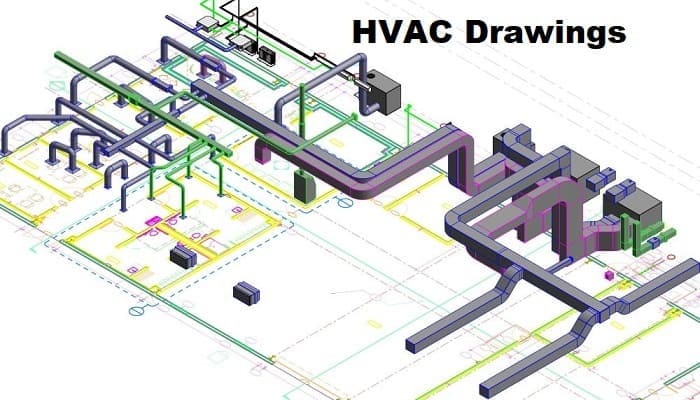
- Temperature across different zones
- Airflow and ventilation to remove pollutants
- Humidity levels to improve comfort
Without HVAC, buildings can become stuffy, unhealthy, or uncomfortable, especially in extreme climates.
Other Mechanical Components
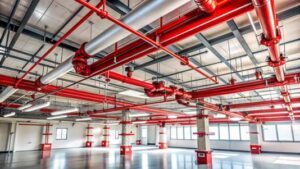
Mechanical systems also include boilers, chillers, exhaust systems, pressurization systems, and smoke control systems. Proper design ensures these systems are energy-efficient and work reliably under all conditions. In high-rise buildings or hospitals, mechanical systems are critical to safety, comfort, and regulatory compliance.
Electrical Systems in Detail
Electrical systems are the building’s lifeline. They provide power for lighting, appliances, communication, and emergency systems.
Power Distribution Systems
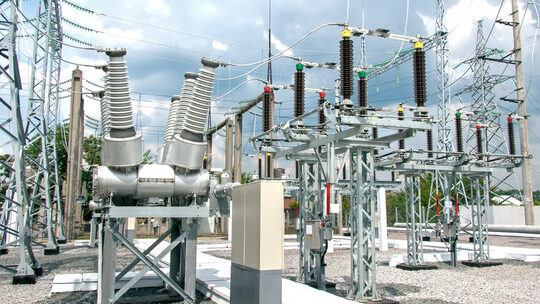
Electrical design involves:
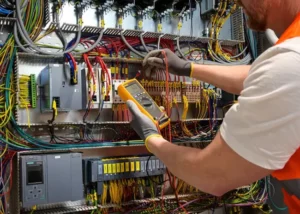
- Main power panels and sub-panels
- Backup generators
- Wiring and circuit protection
A reliable electrical system ensures continuous power supply and protects against overloads and short circuits.
Lighting and Low-Current Systems
Lighting affects comfort, mood, and energy consumption. Low-current systems include:
- Fire alarms and smoke detectors
- Security cameras and CCTV
- Data and communication networks
Together, these systems enhance safety, convenience, and operational efficiency.
Plumbing Systems in Detail
Plumbing systems manage water supply, waste removal, and sometimes gas piping.
Water Supply Systems
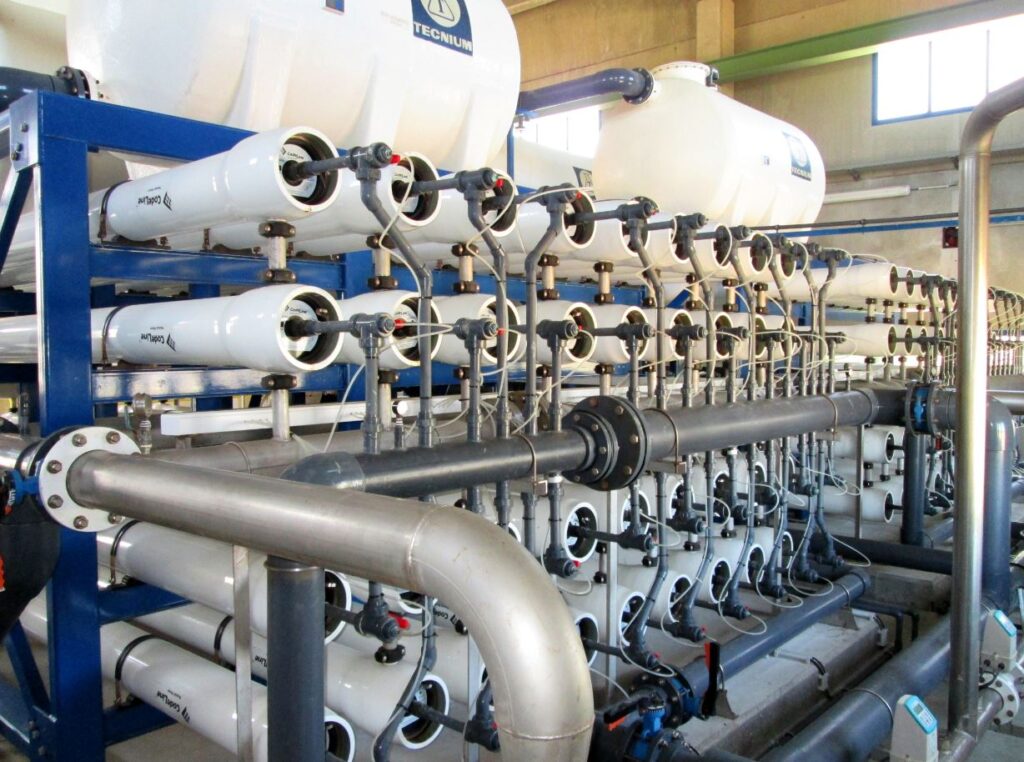
They ensure safe and sufficient water flow to taps, showers, kitchens, and mechanical equipment. Proper design prevents low pressure, water wastage, and contamination.
Drainage and Waste Systems
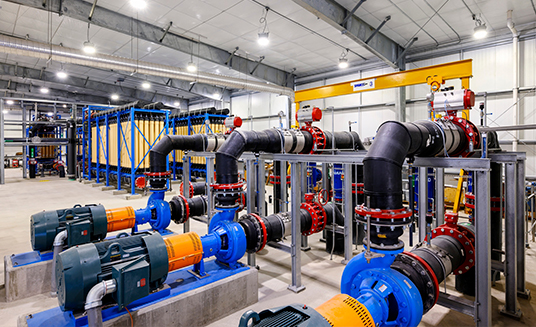
Drainage systems remove wastewater safely and prevent leaks, flooding, and unpleasant Odors. Plumbing design is essential for hygiene, health, and compliance with sanitation regulations. They include:
- Sewage lines
- Storm water drainage
- Vent pipes
MEP Design Process Explained
MEP design follows a structured approach:
- Understanding project requirements
- Coordinating with architects and structural engineers
- Creating conceptual layouts
- Performing detailed calculations and system sizing
- Detecting clashes and coordination issues
- Preparing final drawings and documentation
This step-by-step process ensures efficiency, safety, and cost-effectiveness.
Role of MEP Engineers
They play a vital role from concept to completion, ensuring that systems perform efficiently throughout the building’s lifecycle. MEP engineers are responsible for:
- Designing and sizing systems
- Ensuring energy efficiency
- Selecting appropriate equipment and materials
- Coordinating with construction teams
- Maintaining compliance with codes
MEP Design vs MEP Drafting
- MEP Design focuses on technical calculations, planning, and system selection
- MEP Drafting converts these designs into detailed drawings for construction
Design is the strategic blueprint, while drafting is the tactical implementation.
MEP Codes and Standards
Compliance ensures safety, reliability, and quality. Each country may also have regional regulations that must be followed for legal approval. MEP systems must comply with international and local codes, including:
- ASHRAE (HVAC standards)
- NFPA (fire safety)
- IPC (plumbing codes)
- IEC (electrical standards)
MEP Design in Different Building Types
It must be customized to meet the specific requirements of each building type. Every building has unique MEP needs:
- Residential: Comfort, water efficiency, and power reliability
- Commercial: Energy efficiency, scalable systems, and safety
- Hospitals: Redundancy, hygiene, and emergency preparedness
- Industrial: Heavy load capacity, cooling, and specialized plumbing
Challenges and Modern Solutions
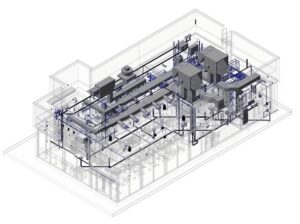
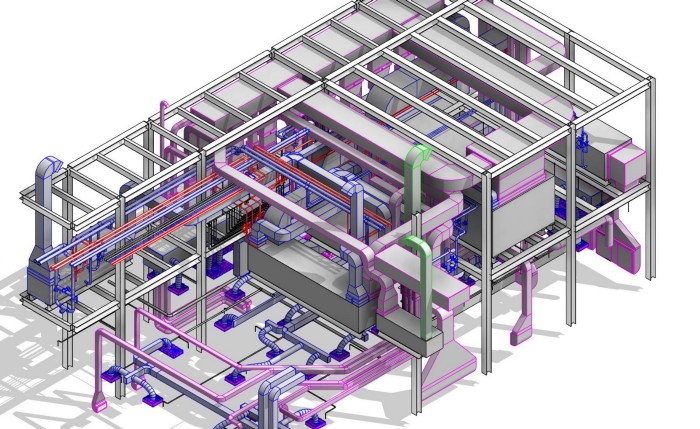
Modern solutions like BIM (Building Information Modeling) and 3D coordination software allow designers to visualize clashes and optimize system layouts, saving time and reducing costs. Common challenges include:
- Limited space for system installation
- Coordination issues between disciplines
- Budget and client requirement changes
- Energy efficiency targets
Future of MEP Design
MEP design is evolving into a technology-driven, intelligent system that goes beyond basic functionality. The future is smart, sustainable, and automated:
- Integration with renewable energy sources
- AI-based monitoring and control systems
- Smart HVAC, lighting, and plumbing
- Energy-efficient and net-zero building designs
Conclusion
MEP design is the unsung hero of modern construction projects. It ensures buildings are safe, comfortable, energy-efficient, and future-ready. Understanding MEP design allows engineers, contractors, and clients to make informed decisions, minimize costs, and create spaces that truly work for their occupants. Neglecting MEP is no longer an option—it’s the backbone of every successful building.
FAQs
- What is MEP design? Planning of mechanical, electrical, and plumbing systems for functional buildings.
- Who prepares MEP designs? Qualified MEP engineers design, calculate, and draft the systems.
- Why is MEP coordination important? To avoid clashes and ensure smooth integration with architecture and structure.
- Can MEP affect energy bills? Yes, efficient design reduces electricity and water consumption.
- What software is used for MEP design? AutoCAD MEP, Revit MEP, Navisworks, and BIM tools.
- What is the difference between MEP design and drafting? Design is planning and calculation; drafting is creating construction drawings.
- Are MEP codes important? Yes, following codes ensures safety, efficiency, and compliance.