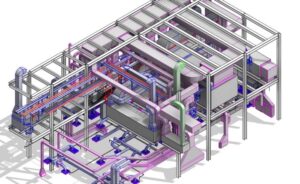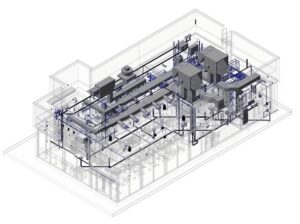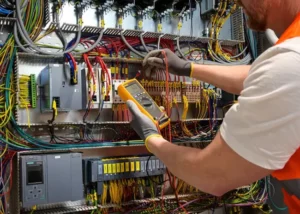
Why MEP Services Matters More Than Ever
Modern buildings are far more complex than traditional structures. High-rise towers, hospitals, malls, airports, and smart office complexes require sophisticated integration of mechanical, electrical, and plumbing systems. A building can look stunning from the outside, but without proper MEP design, it may fail to function efficiently.
MEP design is the backbone of building performance. It ensures all essential services—like heating, cooling, power, water, and waste management—work in harmony. Neglecting MEP systems can lead to costly repairs, delayed occupancy, and unhappy tenants or occupants. Additionally, in today’s competitive construction market, developers cannot rely solely on aesthetics. Tenants and investors now demand high-performance buildings that are safe, energy-efficient, and technologically advanced. That’s where a robust MEP plan becomes a project differentiator.
Ensuring Occupant Comfort and Health
The core goal of MEP services is to create comfortable, liable spaces. Imagine working in an office where air conditioning fails in the summer or trying to take a shower when water pressure is low. Proper MEP services prevent such discomforts. Mechanical systems like HVAC ensure regulated temperatures and proper air circulation, reducing fatigue and improving productivity in workspaces. Proper ventilation also minimizes indoor pollutants, allergens, and humidity, promoting better respiratory health. Plumbing systems guarantee clean water supply and safe drainage, preventing waterborne diseases and contamination. Meanwhile, electrical systems provide stable lighting and power, ensuring convenience and reducing accidents caused by faulty wiring or power fluctuations. All these systems together make buildings healthy, safe, and comfortable, which is essential for modern occupants who value quality indoor environments
Supporting Energy Efficiency and Sustainability
Energy efficiency is one of the most important considerations in modern construction. Buildings consume a significant portion of the world’s energy, and inefficient systems lead to excessive costs and carbon emissions. MEP Services helps reduce energy consumption by integrating energy-efficient HVAC systems, LED lighting, water-efficient plumbing, and smart energy monitoring. Advanced MEP systems can track energy usage in real-time, allowing building managers to optimize performance. Sustainable MEP design also contributes to green building certifications such as LEED, BREEAM, or WELL standards. These certifications are highly valued globally and attract environmentally conscious tenants and investors. Incorporating renewable energy sources like solar panels, heat pumps, or greywater recycling systems further enhances sustainability. In short, energy-efficient MEP design is no longer optional—it’s a necessity for reducing operational costs and environmental impact.
Enhancing Safety and Risk Management
Safety is a critical aspect of MEP services. Mechanical, electrical, and plumbing systems all play a role in preventing hazards and ensuring building safety.
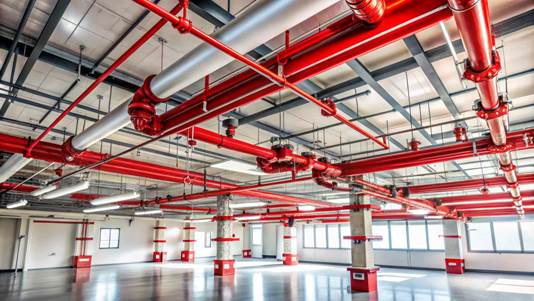
Figure1.2: Fire Sprinkler System
Electrical systems prevent overloads and fire risks through proper circuit design, protective relays, and backup systems. Plumbing design ensures proper drainage, reducing risks of flooding, leaks, or structural damage. Mechanical systems like HVAC not only provide comfort but also regulate smoke and heat during fire emergencies. Modern MEP designs also incorporate fire suppression systems, emergency lighting, alarm systems, and ventilation controls, which are essential for public safety in commercial or high-occupancy buildings. A properly designed MEP system can save lives during emergencies and protect property from catastrophic damage.
Reducing Long-Term Costs
Investing in MEP design upfront may seem expensive, but it saves huge costs in the long run. Poorly designed systems often lead to frequent breakdowns, high maintenance costs, and emergency repairs. A well-planned MEP design minimizes operational costs by ensuring efficient energy use, reduced water waste, and durable equipment performance. Predictive maintenance and proper system integration also prevent unexpected failures. For developers and building owners, this translates to higher ROI, as efficient buildings are easier to manage, cheaper to operate, and have longer lifespans. Tenants also experience fewer service interruptions, which improves retention rates and reduces downtime-related losses.
Enabling Smart and Intelligent Buildings
The rise of smart buildings has made MEP design even more critical. Integration of IoT, automation, and building management systems (BMS) relies heavily on a properly designed MEP infrastructure. Smart HVAC, automated lighting, energy monitoring, and water leak detection systems can only function efficiently if the mechanical, electrical, and plumbing networks are designed intelligently. MEP design allows buildings to adapt to changing conditions automatically. For example, smart thermostats adjust temperature based on occupancy, sensors control lighting in real-time, and water systems can detect leaks before they cause damage. This integration improves both efficiency and the user experience, making buildings more futuristic and attractive
Increasing Property Value and Usability
Buildings with high-quality MEP design have greater market value. Efficient systems reduce utility bills, maintenance issues, and downtime, making the property more appealing to tenants and investors. MEP design also increases usability. Well-coordinated layouts ensure that systems don’t clash with structural or architectural elements, leaving spaces functional and aesthetically pleasing. Proper design allows for future upgrades or expansions without major disruptions. Investors see MEP-optimized buildings as long-term assets, while tenants enjoy higher comfort, reliability, and energy efficiency. This combination ensures sustainable profitability for property owners.
Critical for Complex Modern Structures
Modern projects such as hospitals, airports, data centers, malls, and skyscrapers rely heavily on sophisticated MEP systems. However, In these cases, MEP design is not just a support function, it is central to the building’s operation. Hospitals need clean air, reliable power, and emergency plumbing for critical patient care. Data centers require precise cooling, stable electrical supply, and fire safety systems. Airports and malls demand scalable and energy-efficient systems to handle massive crowds. Without robust MEP planning, these complex structures would fail to meet operational requirements, compromise safety, and face massive financial losses.
Conclusion
In summary, MEP design is the unsung hero of modern construction projects. Therefore, It ensures safety, comfort, efficiency, and sustainability. As buildings evolve into smart, energy-efficient spaces, MEP design will continue to be a key driver of success for developers, engineers, and occupants alike. Neglecting it is no longer an option—MEP design is what transforms concrete and glass into functional, future-ready spaces. This is all about importance of MEP.
FAQs – Importance of MEP Design in Modern Building Projects
Why is MEP design important?
It ensures buildings are safe, functional, and comfortable.
How does MEP improve energy efficiency?
MEP optimizes HVAC, lighting, and water systems for lower energy use.
What role does MEP play in safety?
It prevents hazards like fires, flooding, and poor ventilation.
Can MEP increase building value?
Yes, efficient systems attract tenants and reduce long-term costs.
Is MEP required for all buildings?
Yes, every building need MEP system to function properly.
What are modern MEP trends?
Smart buildings, IoT, BIM, and energy-efficient systems.
How does MEP reduce maintenance costs?
By preventing system failures and avoiding rework.